
In today’s fast-paced digital landscape, cloud migration is more than a trend; it is a strategic necessity for businesses seeking growth and sustainability, particularly in bustling commercial hubs like London. This exploration into the essential role of cloud migration in London highlights how it drives technological progression and increased operational resilience.
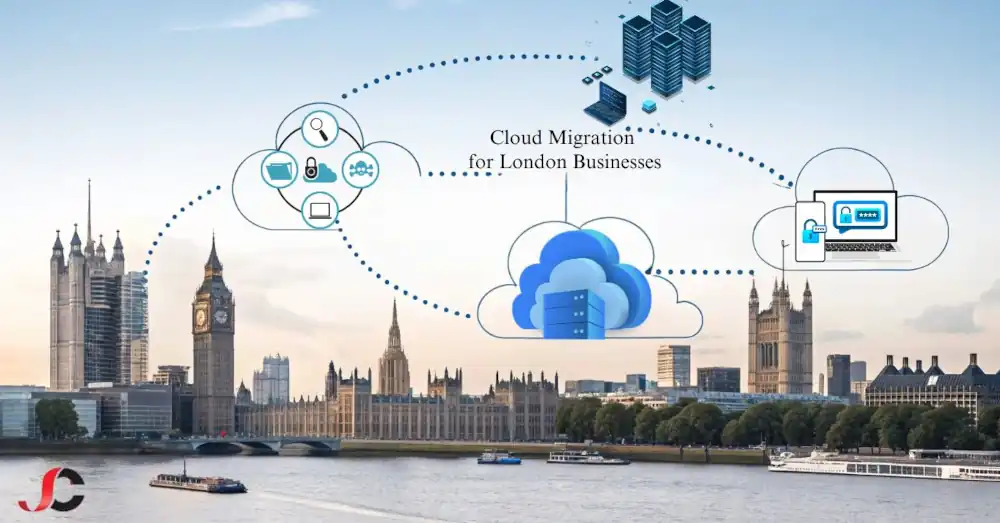
- Essential Strategy: Cloud migration in London equips businesses with exceptional adaptability and scalability, enabling them to respond efficiently to new market demands and technological developments.
- Cost-Effectiveness: By transitioning to cloud-based infrastructures, London businesses can significantly reduce IT expenditures, converting hefty capital investments into manageable operational costs.
- Enhanced Security and Compliance: Cloud services in London comply with rigorous data protection standards like GDPR and provide essential security features that safeguard data integrity and legality, which are crucial for maintaining competitiveness and trust in the market.
By integrating cloud migration in London strategies, businesses can future-proof their IT infrastructure and gain a competitive edge in their respective industries. As we explore this concept further, we will highlight the strategic approaches and expert insights necessary for successful cloud migration in London.
Assessing Your Current Infrastructure for Cloud Migration in London
Comprehensively assessing your existing IT infrastructure is crucial before beginning a cloud migration in London. This essential step prepares your business for a smooth transition and highlights potential efficiencies.
- Hardware Review: Examine all physical devices and systems currently in use. Knowing what your existing hardware can and cannot do is vital for assessing whether a move to a cloud solution is practical without disrupting daily operations.
- Software Audit: Catalogue all applications and software suites in your organisation. This audit will identify which systems are ready for the cloud and which may require updates or modifications.
- Network Configuration Analysis: Analyse your network setup, including bandwidth usage, security protocols, and connectivity issues. This ensures that the network will support cloud solutions and helps forecast future state requirements to avoid bottlenecks.
Businesses in London can pinpoint critical areas that need attention before cloud migration by conducting a detailed assessment of their current IT infrastructure. This proactive approach facilitates a smoother transition, mitigates risks, and enhances overall performance post-migration. Recognising these elements early in the process is essential for aligning with cloud migration in London strategies tailored to the unique needs of enterprises, thereby ensuring a successful integration into the cloud environment.
Setting Migration Goals for Cloud Migration in London
Setting precise, measurable, and attainable goals ensures the initiative aligns seamlessly with your broader business objectives when undertaking cloud migration in London. This strategic planning is crucial for maximising the benefits of cloud technologies related to cost efficiency, scalability, and performance enhancement.
- Define Specific Objectives: Clearly articulate what you aim to achieve through cloud migration in London. Whether it is decreasing IT expenses, improving system availability, or enhancing disaster recovery capabilities, having specific targets will guide your migration strategy.
- Measure Your Goals: Establish criteria for measuring success. This could include metrics such as the reduction in operational costs, the improvement in application response times, or the number of processes successfully migrated to the cloud.
- Ensure Achievability: Consider your current IT landscape and budget when setting realistic goals. Goals should challenge your organisation but remain achievable to maintain momentum and stakeholder support.
- Align with Business Objectives: Each goal for your cloud migration should support broader business aims such as improving data security, increasing market responsiveness, or fostering innovation.
By methodically setting goals for cloud migration in London, businesses can create a focused roadmap that supports technical transitions and drives business growth and adaptability in a competitive landscape. This structured approach ensures that every step of the migration process contributes to tangible business benefits, making the move to the cloud a strategic success.
How to Choose the Best Cloud Service Provider for Cloud Migration in London
The success of your cloud migration in London largely depends on choosing the right cloud service provider, making this decision a critical part of the migration process. Here are key considerations to ensure you partner with a provider that aligns with your business needs:
- Cost Efficiency: Examine the pricing options of various providers to ensure they are compatible with your budget requirements. Consider initial and long-term expenses related to scalability and potential data transfer fees.
- Comprehensive Service Offerings: Assess the provider’s range of services, including types of cloud environments (public, private, hybrid) and additional services like backup and recovery solutions. Ensure these services match your specific requirements for cloud migration in London.
- Robust Security Measures: Security is paramount. Check that the provider follows comprehensive security practices, such as data encryption, frequent audits, and compliance with global standards like GDPR, which are critical for London-based businesses.
- Compliance Standards: Ensure the cloud service provider adheres to industry-specific regulations and standards, providing peace of mind that your data is handled legally and ethically.
- Managed IT Services in London: Look for providers with localised support and experience with London-based businesses. This local expertise can be invaluable, particularly when you require site visits or more tailored IT consultancy services.
- IT Consultancy in London: Choosing an IT consultancy provider can be beneficial. With a better grasp of your business context, these providers can deliver personalised guidance, making them an excellent choice for organisations aiming to upgrade their IT infrastructure via cloud migration in London.
Selecting the right cloud service provider involves carefully considering these factors to ensure a successful migration. The ideal provider will not only offer tailored cloud migration solutions that meet your current needs but also support your future growth and innovation in the dynamic business landscape of London.
Planning the Migration Process for Cloud Migration in London
Creating an intricate and comprehensive migration plan is crucial for successful cloud migration in London. This plan acts as a roadmap for moving to the cloud, guiding each phase of the transition while ensuring minimal disruption to your business operations.
Detailed Migration Plan
A robust migration plan encompasses several critical components:
- Defined Timelines: Specify each migration phase’s start and end dates, from initial assessments to the final cutover. These timelines should allow for flexibility in case of unexpected challenges but be strict enough to prevent scope creep.
- Set Milestones: Identify key milestones throughout the migration process. These could include completing the initial data assessment, the first successful test migration, and the go-live date for operating entirely in the cloud.
- Assigned Responsibilities: Assign clear roles and responsibilities to individual team members, ensuring that each task is accounted for and that there is no overlap or confusion about who is doing what.
Role of Stakeholders
Involving stakeholders from the outset is vital to align the migration with business objectives and to secure essential support across the organisation:
- IT Teams: Tasked with executing the technical aspects of the migration, ensuring that IT infrastructure, applications, and data are appropriately transitioned.
- Business Units: Need to articulate how their processes and needs should be supported in the cloud environment. Their input is crucial for tailoring the migration to improve business operations rather than just lifting and shifting existing practices.
- Finance Departments are critical for approving budgets and monitoring spending throughout the migration to keep financial risks in check.
Cross-Departmental Collaboration
Effective collaboration between different departments can make or break the migration project:
- Communication Strategy: Develop a communication plan that keeps all stakeholders informed throughout the migration process. Regular updates and meetings can help pre-empt issues and foster a sense of involvement and buy-in.
- Risk Management: Establish a framework for identifying and mitigating risks associated with cloud migration in London. This includes technical risks like data loss or corruption and business risks such as customer service downtime.
- Resource Allocation: Ensure that human and technical resources are allocated efficiently. This involves balancing the need to maintain existing systems while deploying new cloud technologies.
- Change Management: Implement a strategy to help employees transition to new processes. This should include training programs, user testing environments, and feedback mechanisms to adjust the approach.
By deepening the planning phase of cloud migration in London, businesses can ensure they are prepared to tackle the migration’s technical side and aligned with broader business goals. This strategic foresight will enable them to leverage cloud technologies effectively, ensuring a competitive edge in the digital marketplace.
Execution and Managing Challenges During Cloud Migration in London
The execution phase of cloud migration in London is crucial, as it involves transitioning data, applications, and services to the cloud environment. This phase utilises various methods like rehosting, refactoring, and platforming, each tailored to the business’s specific needs to optimise the migration process while ensuring minimal disruption.
Key Execution Methods
- Rehosting (Lift and Shift): This involves moving applications and data to the cloud with little or no modification. It is typically the fastest method, suitable for businesses looking to migrate quickly without needing to optimise applications for cloud capabilities initially.
- Refactoring: This process involves changing the application design to suit better and leverage the cloud environment. It is more time-consuming but results in more significant performance and scalability benefits.
- Replatforming: This method balances rehosting and refactoring by making minimal application changes to take advantage of cloud efficiencies without a complete redesign.
Managing Downtime and Disruptions
To maintain business continuity in London, particularly during the cloud migration, it is essential to manage potential downtime strategically and disruptions:
- Pre-Migration Testing: Thoroughly test the cloud solutions with pilot programs before full-scale migration to identify and mitigate potential issues that could cause downtime.
- Staged Migration: Implement the migration in stages, starting with less critical systems to reduce the impact on business operations. This phased approach allows adjustments to be made before migrating more significant systems.
- Real-Time Monitoring: Cloud monitoring tools track application performance as migrated. This helps quickly identify and resolve issues, minimising downtime.
- Communication Plan: Maintain clear and continuous communication with all stakeholders, including IT staff and business users, to ensure everyone knows the migration status and any potential impacts on their work.
Focusing on these strategies enables businesses to navigate the complexities of cloud migration in London, ensuring uninterrupted business continuity. This proactive approach to mitigating risks related to downtime and disruptions leads to a smoother transition to cloud infrastructure.
Security and Compliance in Cloud Migration in London
Ensuring robust security and strict compliance is paramount during and after the cloud migration process in London. Protecting sensitive data and meeting strict regulatory requirements are essential in finance, healthcare, and public services sectors, where compliance is particularly demanding.
Key Security Measures
- Data Encryption: Businesses can safeguard sensitive information from unauthorised access by encrypting data during transmission and while stored. Encryption is a fundamental barrier against data breaches, providing a last-line defence in securing your data.
- Multi-Factor Authentication (MFA): Multi-factor authentication strengthens security by mandating multiple identity checks from users before they can access cloud services. This approach significantly mitigates the threat of unauthorised access due to stolen credentials.
- Regular Security Audits: Conducting comprehensive security audits allows businesses to identify and rectify vulnerabilities within their cloud infrastructure. Regular audits must also ensure ongoing adherence to security policies and standards.
Compliance with Regulatory Standards
- Adherence to GDPR and Other Regulations: Businesses in London must ensure strict compliance with the General Data Protection Regulation (GDPR) and other relevant legal requirements. Cloud migration must be planned and executed with these regulations in mind to avoid severe penalties.
- Continuous Compliance Monitoring: Utilise tools that monitor compliance, ensuring all cloud operations remain within legal frameworks. These tools can provide real-time alerts to potential compliance issues, allowing immediate remediation.
Post-Migration Security and Compliance
- Ongoing Risk Assessment: Following migration, it is essential to consistently monitor and mitigate risks associated with the new cloud setup. This involves regular updates to security protocols and systems to guard against emerging threats.
- Training and Awareness: It is of the utmost importance that every employee receives training on the new systems and is aware of security and compliance protocols. This helps maintain security and compliance standards by preventing human errors and enhancing response strategies to potential security incidents.
By prioritising these security and compliance measures during and after cloud migration in London, businesses can safeguard their operations against threats and ensure they meet all necessary regulatory requirements. This protects the company and builds trust with clients and stakeholders, reinforcing the business’s reputation in a competitive market.
Post-Migration Strategies for Cloud Migration in London
After successfully migrating to the cloud, London businesses must not underestimate the importance of post-migration strategies. These strategies ensure that the cloud infrastructure continues to meet the evolving needs of the industry and operates efficiently.
Continuous Optimisation
- Regular Performance Reviews: Consistently monitor the performance of your cloud services to ensure they align with set benchmarks and enhance business operations.
- Cost Management: Continuously monitor and manage costs associated with cloud services to ensure they remain within budget. This includes rightsizing resources to match actual usage, which can significantly reduce expenses.
- Technology Updates: Stay updated with the latest cloud technologies and solutions that could enhance your infrastructure. Implementing these updates can improve efficiency and security.
Regular Audits
- Security Audits: Perform regular security audits to detect and resolve vulnerabilities. This is crucial for maintaining the integrity and security of your data and applications.
- Compliance Audits: Regularly review your compliance status to ensure that your cloud operations adhere to industry regulations and standards, particularly those pertinent to London businesses like GDPR.
- Usage and Access Audits: Review who has access to what in your cloud environments. This measure prevents unauthorised access and ensures that only those with proper clearance can access confidential data.
Leveraging Cloud Analytics
- Insightful Data Analysis: Gather and analyse data across your cloud environment using cloud analytics tools. This can yield valuable information about user behaviour, system performance, and potential improvements.
- Enhanced Decision-Making: Businesses can make informed decisions that align with their strategic goals by analysing trends and metrics from cloud analytics. This includes scaling operations, optimising resource allocation, and improving customer service.
- Predictive Analytics: Apply predictive analytics to gain insights into future trends and challenges. This proactive approach allows businesses to prepare and adapt strategies that mitigate risks and seize opportunities.
Implementing these post-migration strategies ensures that businesses in London can fully capitalise on their investment in cloud migration. Companies can enhance operational efficiency, maintain security and compliance, and make data-driven decisions that foster long-term success by focusing on continuous optimisation, regular audits, and leveraging cloud analytics.
Conclusion: Securing Your Future with Cloud Migration in London
Embracing cloud migration in London offers transformative benefits for businesses aiming to future-proof their IT infrastructure. Through partnerships with expert cloud migration consultants, companies can harness advanced technologies to optimise operations, boost security, and guarantee scalability for the future.
Benefits of Expert Partnerships in Cloud Migration
- Expert Guidance: Cloud migration experts provide invaluable insights and tailored strategies aligning with your business needs, ensuring a smooth and successful transition to cloud infrastructure.
- Enhanced Security: With professional oversight, your migration includes the latest cybersecurity measures, protecting your data throughout the transition.
- Cost Efficiency: Experts help optimise your cloud resources, reducing unnecessary expenditures and improving your return on investment.
- Future-Readiness: A well-executed cloud migration prepares your business for future technological advancements, keeping you competitive in a rapidly evolving digital landscape.
Call to Action
We invite you to experience the benefits of our bespoke Cloud services, Microsoft Azure migration services, and Microsoft 365 support in London. Our team is equipped to provide you with a detailed assessment and develop a personalised cloud migration plan tailored to your unique needs.
Contact Server Consultancy today to begin your journey towards a more secure, scalable, and innovative future. Let us help you transform your IT infrastructure with precision and expert care.
What is cloud migration?
Cloud migration transfers data, applications, and other business components from on-premise infrastructure to a cloud-based environment. This transition is vital for businesses aiming to modernise their IT infrastructure and maximise their potential.
Cloud Infrastructure: Businesses move from physical servers and on-premise systems to cloud storage and computing power.
Flexibility and Scalability: Cloud solutions offer more adaptability as businesses can scale their infrastructure up or down according to demand.
Cost-Effective: Cloud services usually operate on a subscription model, reducing the upfront costs of maintaining physical hardware.
For businesses in London, this migration means adopting advanced technology, staying competitive in a digital world, and gaining operational flexibility.
Why is cloud migration in London important for businesses?
Cloud migration is crucial for London businesses, ensuring they remain agile, secure, and competitive in an increasingly technology-driven market.
Improved Performance: Cloud environments enhance system performance with faster access to data and applications.
Security: Cloud providers implement robust security protocols, often exceeding the security levels available in on-premise setups.
Cost Savings: Migrating to the cloud reduces capital expenditure on IT infrastructure and lowers operational costs over time.
Access to Advanced Tools: Cloud platforms often offer access to cutting-edge technologies like machine learning, AI, and analytics tools, which small businesses in London can leverage for growth.
For businesses in London’s fast-paced environment, cloud migration helps streamline operations and ensures they can rapidly adapt to changing market conditions.