
In the contemporary business realm, particularly within the bustling commercial landscape of London, the importance of sustainable IT solutions for SMEs cannot be overstated. As small and medium-sized enterprises across the UK grapple with the dual challenges of environmental responsibility and technological advancement, adopting sustainable IT practices emerges as a crucial strategy.
Sustainable IT solutions for SMEs represent more than an ethical commitment to environmental stewardship; they are a cornerstone for achieving operational excellence and long-term business sustainability. In an era where digital transformation is paramount, integrating services like robust IT support and cloud solutions such as Azure and Microsoft 365 within a sustainability framework is becoming increasingly essential.

For SMEs in London and beyond, embracing sustainable IT solutions is not merely about adhering to integrating or public expectations. It’s about harnessing the power of technology to drive efficiency, reduce carbon footprints, and build an environmentally and economically sustainable business model. We understand this intricate balance and provide IT support services that align seamlessly with the sustainable IT needs of modern SMEs.
The Growing Need for Sustainable IT Solutions for SMEs
In today’s dynamic market, the imperative for sustainable IT solutions for SMEs is becoming increasingly pronounced. This growing trend is fuelled by an enhanced awareness of environmental impacts and the recognition of the tangible benefits these solutions bring to business operations. Particularly in the UK, with vibrant hubs like London, SMEs are actively exploring ways to diminish their ecological footprint while boosting efficiency and competitiveness.
The scope of sustainable IT solutions for SMEs is extensive, encompassing various practices essential for modern businesses. These include:
- Adoption of Energy-Efficient Hardware: Choosing hardware that consumes less energy reduces the overall environmental impact of IT operations.
- Implementing Cloud-Based Services: Utilising Azure and Microsoft 365 is central to reducing on-premises hardware requirements and lowering energy consumption.
These strategies are critical in reducing carbon emissions and energy usage, optimising resource utilisation, and minimising electronic waste. For SMEs, adopting sustainable IT solutions is more than a moral obligation; it represents a strategic business decision that can lead to substantial financial savings and enhanced brand reputation.
IT support services are deeply intertwined with the ethos of providing sustainable IT solutions for SMEs. We are dedicated to assisting small and medium-sized businesses transition to more sustainable IT practices. Our services include:
- Recommending Energy-Efficient Hardware: Advising on the best hardware options that align with sustainability goals.
- Facilitating the Shift to Cloud Services: Helping businesses migrate to cloud platforms like Azure and Microsoft 365, which are instrumental in achieving sustainable IT operations.
- Advising on Digital Resource Management Best Practices: Offering guidance on managing digital resources effectively and sustainably.
Our commitment extends beyond just offering sustainable IT solutions; we strive to partner with SMEs on their journey towards a greener and more efficient IT infrastructure. By choosing the right IT Support Company, SMEs in London and the UK ensure robust IT support and embrace a sustainable and progressive approach to business technology. This dedication to sustainable IT solutions for SMEs is beneficial for the environment and a crucial element in building a resilient and future-ready enterprise.
Reducing Carbon Footprint with Smart IT Support
In the quest for sustainable IT solutions for SMEs, the role of smart IT support in reducing carbon footprints is crucial. Effective IT support extends beyond mere troubleshooting and maintenance; it involves strategically implementing technologies and practices that significantly lower energy consumption and enhance environmental sustainability. Key aspects of this sustainable approach include:
- Adoption of Cloud-Based Technologies for Sustainable IT Solutions:
- Microsoft 365 and Azure: These platforms are pivotal in showcasing how cloud computing contributes to sustainable IT solutions for SMEs.
- Reduced Dependence on On-Premises Servers: By transitioning to cloud services, SMEs can reduce their reliance on energy-intensive in-house servers, reducing energy usage and associated carbon emissions.
- Enabling Remote Work: Microsoft 365 supports efficient remote working and collaboration, diminishing the environmental impact of daily commutes and traditional office setups.
- Optimising IT Infrastructure for Sustainability:
- Energy Efficiency Audits: Regular assessments to identify and remedy energy-draining processes and outdated equipment.
- System Upgrades for Efficiency: Keeping systems up-to-date and running efficiently is key to reducing energy consumption.
Our approach to IT support is intricately aligned with providing sustainable IT solutions for SMEs. We are committed to:
- Facilitating the Adoption of Sustainable Technologies: Assisting SMEs in integrating and effectively utilising cloud technologies like Microsoft 365 and Azure.
- Customised Sustainable IT Support: Offering tailored support that aligns with each SME’s sustainability goals.
- Ongoing Improvement and Support for Sustainability: Providing continuous assistance and monitoring to optimise IT systems for environmental sustainability.
We empower SMEs in London and the UK through smart IT support to meet their IT needs and align their operations with essential sustainability objectives. Our services are designed to help these businesses reduce their carbon footprint, contributing to a greener and more sustainable future in business operations.
Leveraging Azure for Eco-Friendly Operations
Azure cloud services are instrumental in advancing sustainable IT solutions for SMEs, offering a pathway to more eco-friendly operations. The benefits of Azure in enhancing sustainability are multifaceted:
- Reduced Physical Hardware Dependency:
- Energy Efficiency: By moving to Azure, SMEs can significantly reduce the energy consumption of maintaining on-premises servers.
- Lower Carbon Footprint: Utilising Azure’s cloud infrastructure, managed by Microsoft’s sustainable practices, reduces the environmental impact of SMEs.
- Scalable Resources:
- Flexible Usage: Azure allows businesses to adjust their resource usage to current needs, preventing resource wastage.
- Optimised Operations: This scalability ensures that SMEs are not overusing or underutilising resources, leading to more efficient energy use.
- Advanced-Data Analytics:
- Operational Insights: Azure provides tools for detailed analytics, helping businesses identify and implement energy-efficient practices.
- Informed Decision-Making: These insights enable SMEs to make data-driven decisions that align with sustainability goals.
Azure services expertise uniquely positions us to assist SMEs in London and the UK. Our approach involves:
- Guiding the Transition to Azure: We help businesses seamlessly migrate to Azure, ensuring a smooth transition to cloud-based operations.
- Optimising for Efficiency: Our team optimises Azure configurations to align with each SME’s sustainability objectives.
- Continuous Support and Monitoring: We provide ongoing support and monitoring, ensuring that Azure services are used in the most efficient and eco-friendly manner possible.
By integrating Azure into their operations, SMEs embrace technological innovation and contribute to a more sustainable and environmentally conscious business landscape.
Microsoft 365: A Tool for Sustainable Business Management
Microsoft 365 has emerged as a pivotal tool in the arsenal of sustainable IT solutions for SMEs, particularly in its support for remote work and the consequent reduction in environmental impact. This suite of applications not only fosters a more sustainable business model but also drives significant efficiency gains.
Key aspects of how Microsoft 365 contributes to sustainable business management include:
- Support for Remote Work:
- Reduced Commuting: By enabling effective remote work, Microsoft 365 significantly reduces the emissions associated with daily employee commutes.
- Flexible Work Environments: It allows employees to work efficiently from various locations, reducing the need for energy-intensive office spaces.
- Efficiency Gains from Integrated Applications:
- Streamlined Collaboration: Tools like Microsoft Teams facilitate seamless communication and collaboration, reducing the need for physical meetings and travel.
- Centralised Resources: Applications such as SharePoint and OneDrive consolidate resources in the cloud, minimising the need for extensive physical storage and the associated energy costs.
- Enhanced Productivity Tools: Features like automated updates, AI-powered insights, and integrated workflow management in Microsoft 365 applications improve overall operational efficiency.
Incorporating Microsoft 365 into the IT strategy is a strategic move for SMEs aiming for sustainable IT solutions. We recognise the potential of Microsoft 365 in enabling SMEs in London and across the UK to achieve their sustainability goals. Our services include:
- Facilitating Microsoft 365 Integration: Assisting businesses in seamlessly integrating Microsoft 365 into their daily operations.
- Optimising Usage for Sustainability: Guiding how to leverage Microsoft 365 features for maximum sustainability impact.
- Continuous Support and Training: Offering ongoing support and training to ensure businesses maximise their Microsoft 365 suite for sustainable business management.
By adopting Microsoft 365, SMEs are not just embracing advanced technology but also taking a significant step towards reducing their environmental footprint and enhancing operational efficiency. This commitment to sustainable IT solutions for SMEs is a testament to their dedication to a greener, more sustainable future.
Practical Steps Towards Sustainable IT for SMEs
For SMEs committed to adopting sustainable IT solutions, several practical steps can be taken to integrate these practices effectively into their business operations:
- Opt for Energy-Efficient Hardware:
- Select hardware known for its energy efficiency, a cornerstone of sustainable IT solutions for SMEs.
- Regularly update to newer models that offer improved energy efficiency.
- Embrace Cloud Computing:
- Transitioning to cloud services like Azure and Microsoft 365 is integral to sustainable IT solutions for SMEs, reducing the need for energy-intensive on-premises servers.
- Use cloud storage to lessen the demand for physical storage devices.
- Facilitate Remote Working:
- Implement tools such as Microsoft 365 to support effective remote work, a key aspect of sustainable IT solutions for SMEs, thereby reducing the environmental impact of commuting.
- Invest in secure remote-access solutions to maintain data safety and business continuity.
- Adopt Green Data Management:
- Utilise server virtualisation and efficient data storage techniques, which are vital in sustainable IT solutions for SMEs.
- Perform regular data storage audits to eliminate redundant data and reduce storage needs.
- Conduct IT Audits for Sustainability:
- Regularly audit IT systems to identify opportunities for reducing energy consumption.
- Assess and adjust current IT practices to enhance their sustainability.
- Educate and Engage Staff:
- Raise awareness among employees about the importance of sustainable IT solutions for SMEs.
- Promote energy-saving habits, such as turning off unused devices and optimising settings for energy efficiency.
By implementing these steps, SMEs can significantly advance their journey towards sustainable IT solutions. These measures help reduce the environmental impact and often lead to cost savings, making them a prudent choice for forward-thinking businesses. Embracing sustainable IT solutions is critical for SMEs in aligning with modern, environmentally responsible business practices.
Sustainable IT solutions for SMEs are increasingly becoming a cornerstone of responsible and forward-thinking business practices. In summary, the importance of these solutions lies in several key areas:
- Environmental Responsibility: By adopting sustainable IT solutions, SMEs significantly reduce their ecological footprint, contributing positively to environmental conservation efforts. This is crucial in today’s world, where businesses are expected to be at the forefront of sustainability.
- Operational Efficiency: Sustainable IT solutions often lead to more streamlined and efficient business operations. Through practices like cloud computing and energy-efficient hardware, SMEs can achieve greater productivity while reducing energy consumption.
- Cost Savings: The initial transition to sustainable IT solutions may require investment, but the long-term benefits include substantial cost savings. Reduced energy bills and lower maintenance costs are common financial advantages for SMEs embracing these solutions.
- Competitive Advantage: In a market where consumers and clients are increasingly environmentally conscious, SMEs implementing sustainable IT solutions can gain a significant competitive edge. It enhances their brand image and aligns them with the growing corporate responsibility trend.
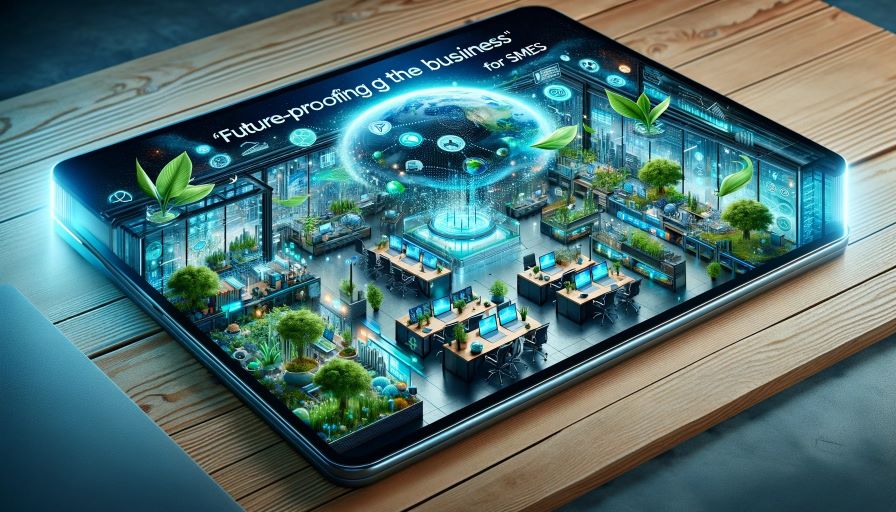
- Future-Proofing the Business: As regulations and policies increasingly favour environmentally friendly practices, SMEs with sustainable IT solutions are well-positioned to adapt to future changes and demands. This foresight ensures business resilience and long-term success.
Sustainable IT solutions for SMEs are not just about adhering to environmental standards; they represent a comprehensive approach to doing business that balances ecological concerns with operational and financial efficiency. As such, they are an indispensable element in the strategy of any SME looking to thrive in the modern business landscape.