
The global technology sector is increasingly championing sustainability as a cornerstone of its operations, recognising its critical role in fostering long-term environmental stewardship and corporate responsibility. This commitment is crucial as the digital age escalates our reliance on data centres, facilities known for their substantial energy consumption and environmental impact. Data Centres in Sweden represent a pivotal initiative by Microsoft, aligning with their broader strategy to minimise ecological footprints and promote sustainable practices across their global operations. Microsoft’s pioneering venture into establishing new data centres in Sweden underscores a significant shift towards achieving 100% sustainability and zero waste in their infrastructure:
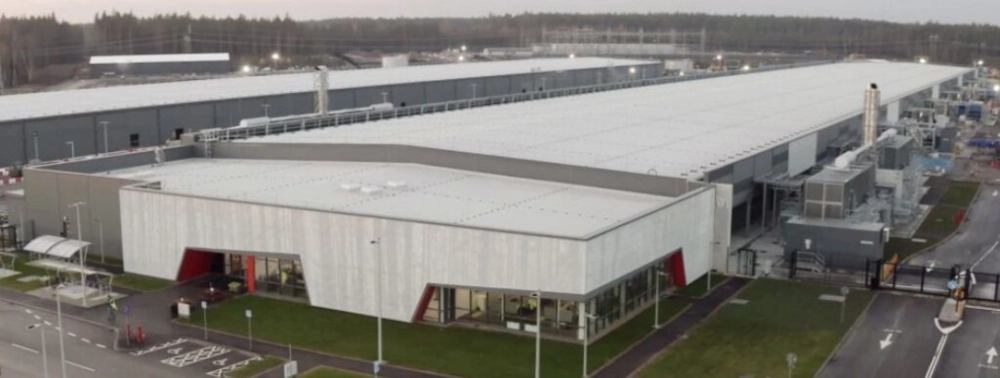
- Rising Importance of Sustainable Technology: Given the rising awareness of climate change and its consequences, there is a pressing demand for the technology sector to embrace more sustainable practices. Data Centres in Sweden, pivotal components of global infrastructure, stand at the forefront of this necessary transition.
- Microsoft’s Sustainability Initiative: Microsoft’s new data centres in Sweden are set to become exemplary sustainability models within the industry. The initiative reflects Microsoft’s commitment to environmental responsibility and sets a benchmark for future developments in the field.
Opting for such a forward-thinking strategy, Microsoft’s initiatives in establishing the Data Centres in Sweden tackle pressing environmental issues head-on and pave the way for a legacy of sustainability that could inspire other industries to follow suit. This emphasis on groundbreaking and environmentally friendly solutions is relevant for Managed Service Providers (MSPs) in London and beyond. It underscores the growing client preference for IT services that prioritise efficiency and ecological responsibility, aligning perfectly with the advancements seen in Sweden’s sustainable practices of data centres.
Understanding Data Centres
Data Centres in Sweden are the backbone of the modern digital economy, acting as vital hubs for storing, managing, and distributing data. Their significance extends globally, supporting the IT infrastructure of countless businesses, even in bustling metropolitan centres like London. Recognising the function and importance of these facilities is key to comprehending their profound impact on business operations and environmental sustainability.
- What Are Data Centres? Data centres are specialised facilities that house computer systems and associated components, such as telecommunications and storage systems. They provide the necessary infrastructure for cloud computing, data backup, and various IT services that keep modern businesses operational around the clock.
- Critical Role in Modern Business:
- Storage and Processing: Handle vast amounts of data, ensuring businesses can operate efficiently and scale as needed.
- Connectivity: Facilitate global communication and data exchange, crucial for international business and remote operations.
- Support for MSPs: Empower managed service providers (MSPs) to deliver robust solutions to businesses, especially in technology-centric cities like London, leveraging the advancements in Data Centres in Sweden.
- Environmental Impact of Data Centres:
- Energy Consumption: High energy requirements due to continuous operation of servers and cooling systems.
- Carbon Footprint: Significant contributors to carbon emissions if powered by non-renewable energy sources.
- Resource Utilisation: Intensive use of water for cooling and other processes, impacting local resources.
- Importance of Sustainable Practices:
- Reducing Environmental Impact: Incorporating renewable energy sources and efficient cooling mechanisms can drastically reduce a data centre’s environmental footprint.
- Corporate Responsibility: Businesses are increasingly expected to demonstrate environmental stewardship as part of their corporate social responsibility.
- Long-term Viability: Sustainable practices guarantee the long-term operation and scalability of Data Centres in Sweden by conserving resources and effectively managing operational costs.
The Microsoft Data Centres in Sweden project exemplifies how environmental concerns are being integrated into the design and operation of modern data centres. By prioritising sustainability, these facilities reduce their ecological impact and align with the values of their clients and stakeholders, including MSPs and businesses throughout the UK.
Microsoft’s Data Centres in Sweden: Sustainability Goals
Microsoft has long been recognised as a leader in corporate sustainability, with a comprehensive strategy to reduce its environmental impact across all operations. The Data Centres in Sweden project is a significant part of Microsoft’s global efforts, displaying its commitment to setting and achieving high sustainability standards within the IT sector.
- Overview of Microsoft’s Global Sustainability Initiatives:
- Carbon Neutrality: Committed to extensively becoming carbon neutral in its operations, using renewable energy sources.
- Zero Waste: By 2030, it will strive for zero waste certification across all its direct operations, products, and packaging, including data centres in Sweden.
- Eco-Friendly Product Design: Developing products that are easier to repair, upgrade, and recycle.
- Specific Goals for the New Data Centres in Sweden:
- 100% Renewable Energy: These facilities will be powered entirely by renewable energy sources, primarily local wind and solar.
- Advanced Cooling Techniques: Utilising the cold Swedish climate and innovative cooling solutions to reduce energy consumption.
- Material Recycling: Implementing systems to ensure maximum recycling and reuse of materials during construction and operation.
- Alignment with Global Environmental Standards:
- The Paris Agreement: Microsoft’s initiatives align with the Paris Agreement‘s goals to limit global warming.
- Sustainable Development Goals (SDGs): Contributing to the United Nations’ Sustainable Development Goals (SDGs), particularly in industry, innovation, and sustainable cities, including efforts within data centres in Sweden.
- Local Regulations: Comply with Sweden’s rigorous environmental regulations and strive to advance the country’s sustainability objectives, including efforts within Sweden’s Data Centres.
These sustainability goals enhance Microsoft’s operational efficiency, boost its reputation, and appeal to environmentally conscious clients and partners. For IT MSPs, particularly those operating in and around London, aligning with or utilising services from data centres like those in Sweden can significantly enhance their offerings. They assure clients that their data is managed securely and efficiently and in an environmentally responsible manner, highlighting the importance of sustainable practices in Data Centres in Sweden.
Innovations in the Data Centres in Sweden
Microsoft’s new Data Centres in Sweden project represents a leap towards sustainability and displays several groundbreaking technological and architectural innovations. These developments drive the data centre industry towards a more sustainable and environmentally friendly future. Such advancements are particularly relevant to MSPs and businesses in tech-centric regions like London, where there is a growing demand for IT solutions that are both innovative and eco-conscious.
- Technological and Architectural Innovations:
- Energy Efficient Design: Utilising innovative designs that incorporate the natural cooling properties of the Swedish climate to minimise energy consumption.
- Renewable Power Integration: Integrating local renewable energy sources such as wind and solar power ensures that the data centres operate on 100% renewable energy.
- Advanced Resource Management Systems: Deploy smart technologies to monitor and manage resource use efficiently, significantly reducing waste.
- Focus on Zero Waste and 100% Renewable Energy Solutions:
- Zero Waste Operations: Implementing practices that ensure all waste is repurposed, reused, or recycled, aiming for zero waste certification.
- Renewable Energy Use: Complete reliance on renewable energy sources ensures that these data centres have a net-zero carbon footprint.
- Sustainable Material Use: Materials used in construction and daily operations are chosen based on sustainability criteria, supporting a circular economy.
- Benefits of These Innovations for Businesses and the Environment:
- Reduced Operational Costs: Lower energy requirements and efficient resource management translate into reduced operational costs for businesses utilising these data centres.
- Enhanced Corporate Responsibility: Companies partnering with these data centres can boost their corporate social responsibility profiles by leveraging sustainable practices.
- Environmental Impact: Significant carbon emissions and waste production reductions help protect the environment and align with global efforts to combat climate change.
The innovations introduced by the Data Centres in Sweden set a benchmark in the industry, offering scalable and sustainable solutions that benefit businesses and the environment. For MSPs operating in and around London, these data centres provide an opportunity to offer clients powerful, reliable IT services aligned with the increasing demand for sustainability in the tech sector. These features make the Swedish data centres attractive for businesses looking to enhance their green credentials while ensuring robust data management and IT services.
Impact on Local and Global Environments
The establishment of Microsoft’s Data Centres in Sweden marks a significant milestone in sustainable IT infrastructure. These centres set a precedent for local environmental initiatives and influence global environmental standards and practices.
- Potential Environmental Impacts in Sweden:
- Enhanced Biodiversity: These data centres help preserve local flora and fauna by adopting green building practices, contributing positively to biodiversity.
- Resource Conservation: Using renewable energy and water-efficient systems significantly reduces the strain on Sweden’s natural resources.
- Economic Growth and Sustainability: The creation of green jobs and investment in local renewable energy projects foster economic growth and sustainability.
- Global Implications of Microsoft’s Sustainable Practices:
- Setting Industry Standards: Microsoft’s commitment to sustainability sets ambitious standards for other tech giants and industries, promoting a shift towards more sustainable business practices worldwide.
- Encouraging Policy Change: As these practices gain visibility, they can influence environmental policy decisions, encouraging governments worldwide to advocate for greener data centre operations.
- Inspiring Innovation: Microsoft’s initiatives catalyse innovation in sustainable technology, inspiring others to invest in and develop new eco-friendly technologies.
The following bullet points summarise the broader benefits of these innovations:
- Reduction in Carbon Footprint: Significant reductions in greenhouse gas emissions, both locally and globally.
- Promotion of Renewable Energy: Increased reliance on and investment in renewable energy sources set a sustainable example for other corporations.
- Global Leadership in Sustainability: Microsoft’s efforts underscore its role as a leader in global sustainability, influencing industry peers and policymakers alike.
By examining the local and global environmental impacts of the data centres in Sweden, it becomes evident that Microsoft’s sustainable practices enhance environmental health and corporate responsibility and position the company as a forward-thinking leader in sustainability. For MSPs, particularly those in IT-centric cities like London, leveraging these insights can enhance their service offerings and align their operations with global sustainability goals, thereby attracting clients who value environmental stewardship.
Advantages for MSPs Using Data Centres in Sweden
The development of Microsoft’s Data Centres in Sweden offers numerous benefits for Managed Service Providers (MSPs) and their clients, particularly in tech-centric locales like London.
- Utilising Sustainable Data Centres in Sweden:
- Brand Enhancement: Partnering with green data centres elevates an MSP’s commitment to sustainability.
- Ease of Compliance: These centres meet stringent environmental standards, simplifying compliance for MSPs.
- Access to Advanced Technology: Clients benefit from the latest IT infrastructure, reducing direct investment costs.
- The Importance of Sustainable Solutions in Data Centres:
- Fostering Long-Term Client Relationships: Eco-friendly solutions attract and retain clients prioritising sustainability.
- Differentiating in the Market: Stand out by offering services powered by renewable energy from Swedish data centres.
- Enhancing Client CSR: Support clients in achieving their CSR goals, particularly in reducing environmental impact.
- Cost Savings and Efficiency from Data Centres in Sweden:
- Reduced Energy Costs: Leveraging renewable energy and efficient technologies reduces energy expenses.
- Boosted Operational Efficiency: Advanced management systems in these data centres lead to improved hardware performance and less downtime.
- Scalability and Flexibility: Efficient service scalability ensures optimal resource usage without overinvestment.
By integrating services with Data Centres in Sweden, MSPs align with global environmental trends and enhance their operational advantages and competitive stance, especially in areas like London, where advanced technology and sustainability are key business influencers.
Conclusion: The Role of Data Centres in Sweden in Shaping Sustainable IT Futures
As we conclude our exploration of Microsoft’s Data Centres in Sweden, we see that these initiatives are about advancing technology and setting a new standard for sustainability within the IT industry. This movement towards eco-friendly data solutions holds profound implications for data management and the broader technological landscape, including Managed Service Providers (MSPs) operating in cities like London.
- Summary of Microsoft’s Initiatives:
- Pioneering Sustainability: Microsoft’s commitment to 100% renewable energy and zero waste in its Swedish data centres set a benchmark for the industry.
- Technological Innovations: Adopting innovative technologies and sustainable practices demonstrates a significant shift towards environmentally responsible IT solutions.
- Global and Local Impact: These data centres impact local ecosystems and global environmental standards, promoting a greener approach to digital infrastructure.
- The Role of MSPs in Promoting Sustainable Technology Solutions:
- Advocates of Green Technology: MSPs influence clients to adopt more sustainable technologies by integrating services with eco-friendly data centres.
- Enhancing Client Engagement: By offering services that align with sustainability, MSPs can strengthen client relationships and build new ones, particularly with those valuing corporate social responsibility.
- Driving Industry Change: MSPs, especially in technologically advanced areas like London, are uniquely positioned to transform IT into a more sustainable industry.
In summary, the Data Centres in Sweden are more than just facilities; they are a testament to Microsoft’s dedication to sustainability and a blueprint for future developments in the IT sector. For MSPs, leveraging these advancements means improving their service offerings and contributing to a sustainable future, positioning themselves as leaders in the transition towards greener IT solutions. By embracing these practices, MSPs can significantly impact the technology sector’s environmental footprint, underscoring their critical role in shaping a sustainable digital world.