

In an increasingly digital world, cyber security has become paramount for businesses of all sizes. As cyber criminals become more sophisticated, so must our measures to protect our information and systems. At Server Consultancy Cyber Security Solutions, we understand the importance of safeguarding your business. We are committed to providing modern workplace solutions that deliver a secure environment for your digital assets.
With the rapid advancement of technology and the increasing reliance on digital infrastructure, businesses face unprecedented challenges in keeping their data and systems secure. Cybersecurity threats constantly evolve, making it difficult and expensive for companies to stay ahead of the curve. Partnering with a reliable Managed Service Provider (MSP) like Server Consultancy can help businesses navigate these challenges and secure their valuable data while decreasing costs.
With years of experience, our team of experts is well-versed in the latest Cyber Security trends and techniques. We offer a range of services that cater to your specific needs and ensure your organisation is well protected against potential cyber-attacks.
Our Cyber Security Solutions
Security Assessments and Audits
Our security assessments and audits thoroughly examine your organisation’s cyber security posture. Our team will evaluate your security measures, identify potential vulnerabilities, and recommend appropriate solutions. This process includes:
- Network vulnerability assessments
- Penetration testing
- Compliance auditing
- Security policy review and development
Endpoint Security
Endpoint security is crucial in protecting your organisation’s devices from cyber threats. Our endpoint security solutions provide a comprehensive approach to safeguarding your devices, including:
- Anti-malware and antivirus protection
- Host-based intrusion prevention
- Data loss prevention
- Mobile device management
Network Security
Protecting your organisation’s network from cyber threats is essential to maintaining a secure digital environment. We offer network security solutions that encompass the following:
- Firewall configuration and management
- Intrusion detection and prevention systems
- Secure Wi-Fi and VPN deployment
- Network segmentation
Email Security
Email is a common attack vector for Cyber Criminals. Our email security solutions are designed to protect your organisation from email-based threats, including:
- Spam and phishing prevention
- Email encryption
- Advanced threat protection
- Incident response and remediation
Data Security and Privacy
Protecting your organisation’s data is critical in preventing breaches and maintaining customer trust. Our data security and privacy solutions help you safeguard sensitive information with services such as:
- Data encryption
- Data classification and handling
- Data leakage prevention
- Privacy impact assessments and GDPR compliance
Cloud Security
Securing your cloud infrastructure is vital as more organisations migrate to the cloud. We provide cloud security solutions that address the unique challenges of cloud computing, including:
- Cloud access security broker (CASB)
- Cloud infrastructure security assessments
- Secure cloud migration strategies
- Cloud-native security solutions
Security Awareness Training
An educated workforce is a vital component of a robust Cyber Security strategy. Our security awareness training programmes help ensure employees are well-equipped to identify and respond to potential cyber threats. Our training covers topics such as:
- Phishing and social engineering
- Password management and multi-factor authentication
- Safe web browsing practices
- Mobile and remote work security
Incident Response and Forensics
Responding quickly and effectively to minimise damage is crucial when a cyber security incident occurs. Our incident response and forensics services provide expert assistance in the event of a breach or Cyber Attack, including:
- Incident response planning and preparation
- Digital forensics and evidence collection
- Malware analysis and remediation
- Post-incident review and recommendations
Why Choose Server Consultancy Cyber Security Solutions?
When you partner with Server Consultancy Cyber Security Solutions, you can expect the following:
- Expertise: Our team of certified professionals possess extensive experience in cyber security and are constantly updating their knowledge to stay ahead of emerging threats.
- Customisation: We understand that each business is unique and tailor our solutions to your needs and requirements.
- Proactive Approach: We believe in a proactive approach to cyber security, focusing on the prevention and early detection of threats to keep your organisation secure.
- Comprehensive Solutions: We offer a wide range of services, ensuring that all cyber security needs are addressed holistically.
- Ongoing Support: Our commitment to your security does not end with implementing our solutions. We provide ongoing support and monitoring to ensure your organisation remains protected.
Get Started with Server Consultancy Cyber Security Solutions Today
Do not leave your organisation’s cyber security to chance. Contact Server Consultancy Cyber Security Solutions today to learn more about our comprehensive services and discover how we can help safeguard your business from cyber threats.
Request a Consultation:
If you’re ready to discuss your organisation’s cyber security needs with one of our experts, please fill out the request a contact us form, and we will get back to you shortly.
You agree to our Privacy Policy and Terms of Service by submitting this form. Please note that we take your privacy seriously and will never share your information with third parties without your consent.
Stay Informed with Our Cyber Security Blog
Stay updated with the latest cyber security news, tips, and expert insights by visiting our blog. We regularly publish informative articles on emerging threats, industry best practices, and practical advice for maintaining a secure digital environment. Subscribe to our newsletter to receive updates directly in your inbox.
What is cyber security?
Cyber Security refers to safeguarding computer systems, networks, and sensitive data from unauthorised access, theft, damage, and other forms of cyber threats. It involves protecting against hacking, malware, phishing, and ransomware attacks and implementing measures to ensure that digital technologies are used safely and securely. Cybersecurity measures may include using technologies such as firewalls, antivirus software, and encryption, as well as establishing policies and procedures to promote safe and secure practices. With the increasing reliance on digital technologies in various aspects of modern life, cybersecurity has become an increasingly important area of concern for businesses, organisations, and individuals in the UK and worldwide.
If you think you have been a victim of a cyber-attack, you should report it to the police and your bank or credit card company. You should also change your passwords and contact your friends and family to let them know your account may have been hacked.
Cyber security is a complex issue, but there are several things you can do to protect yourself from cyber-attacks. By taking these steps, you can help to keep your computer systems and data safe.
Why is cyber security important?
Cybersecurity is important for several reasons. Firstly, as more and more businesses and organisations rely on digital technologies to store and process sensitive information, there is an increasing risk of cyber attacks that can compromise this information. This can result in financial losses, reputational damage, and legal consequences. Cybersecurity measures are necessary to protect against these threats and ensure that sensitive data remains secure.
Secondly, cyber attacks can also cause disruptions to critical infrastructure, such as power grids, transportation systems, and healthcare facilities, which can have severe consequences for public safety and national security. Implementing effective cybersecurity measures can protect these critical systems against cyber threats and ensure their continued operation.
Lastly, cybersecurity is important for individuals who use digital technologies daily. With the increasing use of online services such as banking, shopping, and social media, personal information is often shared online, making individuals vulnerable to cyber threats. Effective cybersecurity measures can help protect individuals from identity theft, financial fraud, and other types of cybercrime.
Overall, cybersecurity is essential to safeguarding the confidentiality, integrity, and availability of digital technologies, protecting sensitive information and critical infrastructure, and promoting the safe and secure use of digital technologies for individuals.
What are the most common cyber threats?
Businesses and individuals in the UK should be aware of several common types of cyber threats.
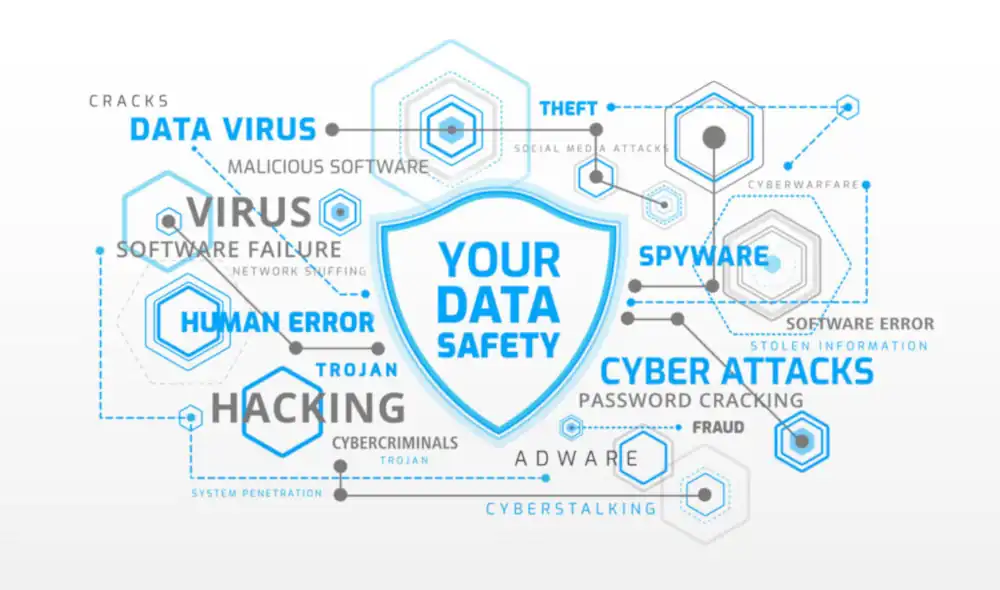
One of the most common cyber threats is malware, which is malicious software designed to damage, disrupt, or gain unauthorised access to computer systems and networks. Malware can take various forms, including viruses, trojans, and ransomware, and can be spread through email attachments, infected websites, or malicious downloads.
Another common cyber threat is phishing, which involves using fraudulent emails, text messages, or websites to trick individuals into divulging sensitive information such as usernames, passwords, and credit card details. Phishing attacks can be highly sophisticated and challenging to detect, resulting in financial losses and identity theft.
Distributed denial of service (DDoS) attacks are also a typical cyber threat, which involves overwhelming a website or network with traffic to make it unavailable to users. DDoS attacks can be carried out by botnets or other networks of compromised devices and can cause significant disruptions to businesses and organisations.
Finally, social engineering attacks are another common type of cyber threat, which involves using psychological manipulation to trick individuals into divulging sensitive information or performing actions that are against their interests. Social engineering attacks can take various forms, such as pretexting, baiting, or quid pro quo, and can be highly effective in gaining unauthorised access to sensitive information.
Overall, businesses and individuals in the UK need to be aware of these common cyber threats and take appropriate measures to protect themselves against them, such as implementing effective cybersecurity measures, educating employees and users about best practices, and remaining vigilant against suspicious activities.
How can I protect my business from cyber threats?
Protecting your business from cyber threats is essential in today’s digital age. Here are some critical steps you can take to improve your cybersecurity posture:
Conduct a cybersecurity risk assessment: Identify potential vulnerabilities and threats to your business by conducting a risk assessment. This will help you prioritise your cybersecurity efforts and allocate resources accordingly.
Implement strong access controls: Ensure that only authorised personnel have access to sensitive information and systems, and implement strong password policies, multi-factor authentication, and other access controls.
Keep your software up to date: Ensure that your operating systems, applications, and other software are updated with the latest security patches and updates. This will help protect against known vulnerabilities and exploits.
Implement firewalls and antivirus software: Install and configure firewalls and antivirus software to help protect against malware, viruses, and other cyber threats.
Use encryption: Encrypt sensitive information such as financial data, customer information, and intellectual property to protect against unauthorised access and theft.
Train employees on cybersecurity best practices: Educate your employees on how to identify and respond to potential cyber threats, such as phishing attacks, social engineering, and other tactics used by cybercriminals.
Develop an incident response plan: Develop a plan for responding to cybersecurity incidents, including procedures for detecting, containing, and mitigating the effects of a cyber attack.
Implementing these measures can significantly improve your business’s cybersecurity posture and better protect against cyber threats. It’s important to remember that cybersecurity is an ongoing process that requires vigilance and continuous improvement to stay ahead of evolving threats.
What are the benefits of cyber security?
Cybersecurity provides several benefits for businesses and individuals in the UK. Here are some of the main benefits:
Protection of sensitive information: Cybersecurity measures help protect against unauthorized access to sensitive information such as financial data, personal information, and intellectual property. This helps safeguard against financial losses, reputational damage, and legal consequences.
Prevention of cyber attacks: Effective cybersecurity measures can help prevent attacks such as malware, phishing, and ransomware. This helps reduce the risk of business disruptions, data loss, and reputational damage.
Compliance with regulations: Many industries are subject to regulatory requirements that mandate specific cybersecurity measures. Compliance with these regulations helps businesses avoid penalties and other legal consequences.
Improved productivity: Cybersecurity measures such as firewalls, antivirus software, and encryption can help improve system performance and reduce the risk of downtime due to cyber attacks.
Enhanced trust and credibility: By implementing strong cybersecurity measures, businesses can strengthen trust and credibility with customers, partners, and other stakeholders, which can lead to increased sales and opportunities.
Protection of critical infrastructure: Cybersecurity measures help protect critical infrastructure such as power grids, transportation systems, and healthcare facilities from cyber attacks. This helps ensure the safety and security of the public and national security.
Overall, cybersecurity is essential for protecting against cyber threats, ensuring the safe and secure use of digital technologies, and promoting trust and credibility in business and society.


